

🎧 LISTEN TO THIS ARTICLE ON THE SUBSTACK APP
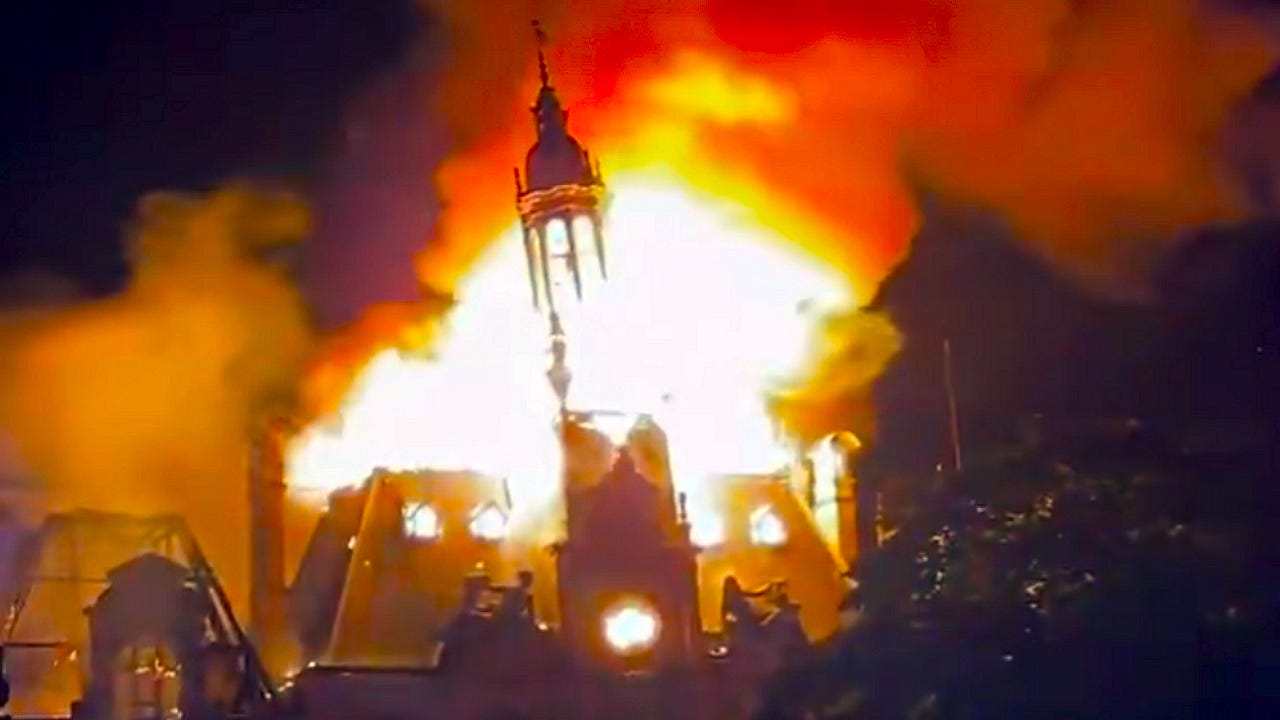
Europe is burning again, and we need to pay attention. If we ignore what’s happening across the Atlantic, the same disorder could soon reach our doorstep.
In Milan, the square outside the Duomo looked like a war zone. Rioters hurled stones, Molotov cocktails, and fireworks at police. One hundred forty-one officers were injured. Nearly two hundred people were detained, and dozens were arrested, including minors and foreign nationals. Many of those involved were reportedly second-generation migrants from the city’s “multicultural” suburbs.
Prime Minister Giorgia Meloni described them as gangs of thugs who hijack legitimate protests so they can smash cities and terrorize ordinary people. Her description fits what unfolded. This wasn’t simply a spontaneous eruption of anger over grocery bills or the cost of living. It was coordinated chaos, carried out by groups using public frustration as cover. Europe has seen this pattern before, and the rest of us should recognize it.
France saw even worse violence that same day. Masked groups hijacked demonstrations that were supposed to focus on the cost of living and struggling schools.
In Limoges, they burned the old town hall, a 143-year-old building that had survived two world wars. Its clock tower collapsed. Officials said the building was largely destroyed and called the loss a heritage catastrophe.
In Paris, protesters climbed the statue of Marianne, the embodiment of the French Republic, and raised a Palestinian flag over it. Cars burned. Shops were looted. Police arrested somewhere between 1,800 and 2,400 people. The interior minister said several thousand far-left activists had arrived ready to fight police, while ordinary criminals later joined the unrest to loot.
A French journalist also reported that every Jewish-owned business on one Marseille street was set on fire while Muslim-owned shops on the same block were spared. If that account is accurate, the pattern is hard to dismiss as random. This wasn’t just anger spilling into the streets. It looked like preparation, coordination, and targeted intimidation operating under the false-flag cover of protest.
Belgium followed much the same script. Student demonstrations were taken over by far-left groups and Antifa activists. Palestinian flags appeared in the crowds. Masked young people reportedly arrived from other cities. The gatherings began to resemble those in France, with large numbers of foreign nationals and people of “foreign origin” taking part. Communist parties and their youth organizations distributed materials and helped organize the activity. After the violence, authorities in one city banned public gatherings simply to regain control.
Different country, different streets, same troubling pattern: legitimate grievances became a stage for organized groups that seemed far more interested in confrontation than reform.
None of this should surprise anyone who has watched Europe over the past twenty years. Governments opened their doors wide but often failed to insist that newcomers become part of the societies they entered. Parallel communities took root. Crime remained stubbornly high in some neighborhoods. Attitudes that clash with basic Western norms on women, free speech, and secular law were too often brushed aside as harmless expressions of diversity.
At the same time, expansive welfare systems kept distributing benefits until public finances tightened and economic growth stalled. Then the bill came due. Ordinary people felt the pressure, confidence in government collapsed, and the political class that had built the system watched the streets erupt. These problems didn’t appear overnight, and denial won’t make them disappear.

What makes the situation even more alarming is the partnership now on display.
The far left supplies the slogans, organization, financing, and claim that every act of disorder is somehow resistance to an unjust system. Islamist networks and second-generation migrant youths supply numbers, anger, and a willingness to break things. Together, they target the institutions and symbols of the countries that welcomed them.
The reported attacks on Jewish-owned shops in Marseille fit a pattern that has grown more visible since October 7. “Globalize the intifada” stopped being merely a campus chant long ago. Now its implications are being tested on European streets, where ideological theater can quickly become intimidation, vandalism, and violence. That alliance may be opportunistic, but the damage it causes is real, and ordinary citizens pay the price.
Americans aren’t spectators in this story.
New York is already confronting an early version of the same problem. Crews of migrants on mopeds have reportedly been snatching chains from people’s necks for weeks. Authorities have connected them to more than twenty robberies since September, at least ten of them violent. An NYPD detective was stabbed ten times while trying to stop two suspects.
Police also warn that the official numbers may understate the true scale of the crime. Members of the Trinitario gang, including some migrants in the country illegally (imagine that), have already opened fire on law enforcement. This is what can happen when sanctuary policies collide with a border the government refuses to control: organized criminals learn quickly how to exploit the gaps, while residents and police absorb the consequences.
American cities and campuses are already seeing a similar alliance. The language of systemic oppression blends easily with the language of religious-based, conquest-oriented grievance, giving very different factions a shared enemy and a common set of slogans.
The encampments and marches that followed October 7 offered a preview. Continue admitting large numbers of people from places where Islamist attitudes are widespread, and continue allowing the activist left to treat disorder as a feature rather than a failure, and the European outcome becomes easier to imagine. More no-go areas. More attacks on police officers and public monuments. More selective violence against anyone the coalition decides does not belong.
The warning isn’t that every migrant or protester poses a threat. It’s that failed integration, ideological extremism, and official paralysis can combine into something dangerous.
Europe didn’t arrive at this point because of one bad year or one failed policy. It got here through choices layered on top of one another for decades, with every warning dismissed as exaggeration until the consequences became impossible to ignore.
America still has time to choose a different direction. That begins with an honest look at the record, not by pretending immigration policy, cultural compatibility, public safety, and ideological alliances have nothing to do with one another.
The flames in Limoges and the rocks outside the Duomo are not distant history, and they aren’t someone else’s problem. They’re warning signs along a road we have already begun to travel. We can still turn back, but only if we are willing to see where that road leads.


