

🎧 LISTEN TO THIS ARTICLE ON THE SUBSTACK APP
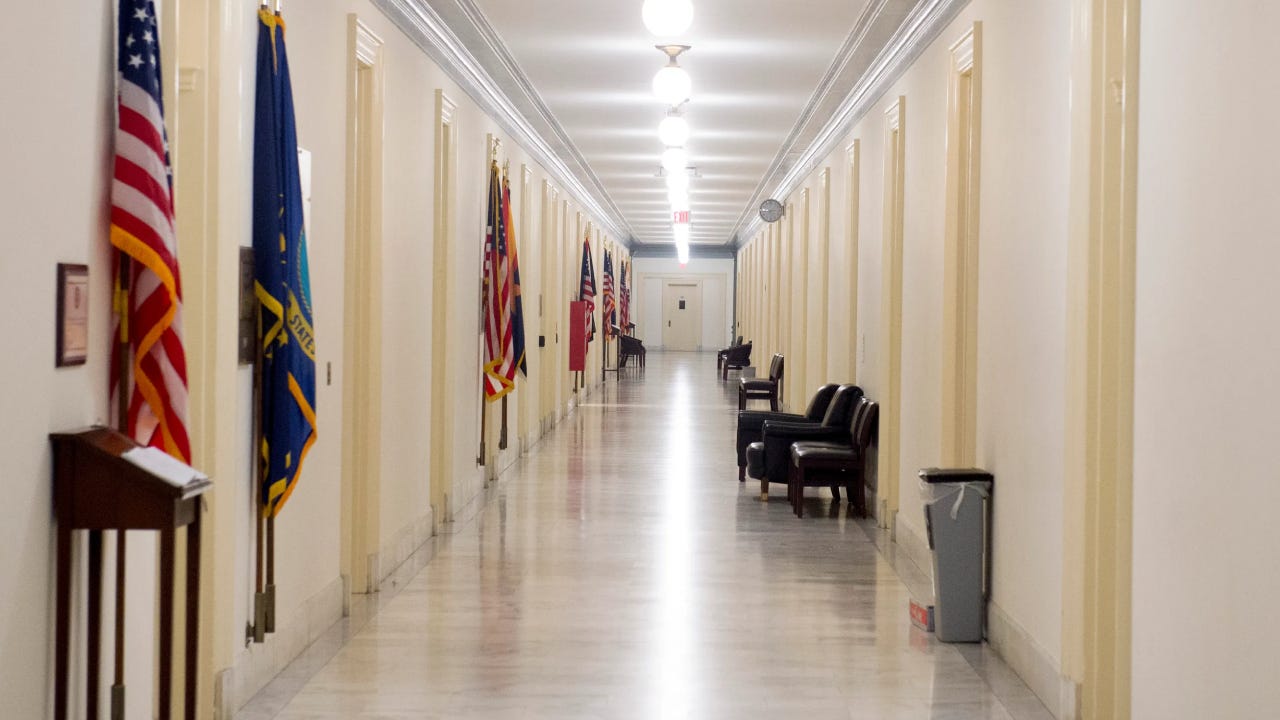
Most people hear the word lobbyist and picture a man in an expensive suit sliding an envelope across a table. The picture isn’t invented. It’s not the whole job, either.
A lobbyist is paid to make a case to the elected officials who write our laws and rules. That might mean a phone call, a memo, a hearing, or a hallway conversation. The goal is simple: help a decision-maker see the problem as the client or constituency does, then act. The term comes from the lobbies outside legislative chambers, where people waited to catch members of Congress. As early as 1792, Continental Army veterans hired an agent to press Congress for back pay.
Lobbying also has a constitutional foundation. The First Amendment protects the right to petition the government for redress of grievances. Congress can require lobbyists to register and disclose who pays them, but it can’t ban the practice. The rule is sunlight, not permission.
Still, “lobbyist” often sounds like an insult, and the opioid crisis helps explain why.
Purdue Pharma turned OxyContin into a blockbuster while its executives misled doctors and regulators about the risk of addiction. They pleaded guilty to federal charges in 2007. The playbook was straightforward: offer rebates so insurers wouldn’t restrict the drug and fund groups that repeated the company’s message about pain. Communities paid the price. Purdue eventually collapsed into bankruptcy. A small circle got the revenue. Everyone else got the funerals.
But that isn’t the whole profession.

An honest lobbyist knows which subcommittee writes the bill, which staffer reads the mail, and which amendment can survive a conference. That knowledge isn’t corruption. It is the difference between giving a speech and passing a law. Used openly, it helps people who may never walk those halls themselves:
During the war years, the American Legion pushed for the GI Bill, arguing for tuition, home loans, and job support when many officials said the country couldn’t afford it. The bill passed and helped build the modern middle class.
Disabled American Veterans and the Veterans of Foreign Wars still press Congress on disability ratings, health funding, and the claims backlog. Burn-pit veterans pushed Washington to recognize toxic exposure as a service injury. The PACT Act of 2022 didn’t pass by itself.
Mothers Against Drunk Driving pushed Congress to set the drinking age at 21 after a repeat drunk driver killed a teenage girl. The 1984 law withheld highway funds from states that refused. Every state complied, and deaths among young drivers fell.
Parents of murdered children mounted a similar campaign for Megan’s Law, giving neighborhoods information about registered sex offenders.
Disability advocates won the Americans with Disabilities Act of 1990, including curb cuts and protections against firing someone for using a wheelchair.
Religious groups built the coalition for the Religious Freedom Restoration Act of 1993.
Gun-rights groups have long argued that the Second Amendment protects an individual right.
Homeschool networks worked state by state until teaching your children was no longer treated as truancy.
Farm and family-business groups argued that estate taxes shouldn’t force the sale of a farm or shop.
Adoption advocates pushed for tax credits that help more children find permanent homes.
And sometimes the client is a city, a port, a state, or an employer trying to secure a plant, a highway spur, or a workforce grant. Chambers of commerce and development groups lobby for those projects because a factory means paychecks, and paychecks keep a town, city, or state alive.
None of those victories required a scandal. They required someone who knew the chairman, the deadline, and the difference between a slogan and a workable solution. That’s what an effective, honest lobbyist sells—not a bought vote, but a map of a building most citizens will never enter, used openly on their behalf, with the client’s name on the form.
The real line is between advocacy and fraud.
An honest lobbyist counts the votes, discloses who is paying, and makes a case that can withstand daylight. A dishonest one hides the money or asks the government to harm strangers for a fee. The first exercises an old right. The second describes what Purdue’s campaign became.
So, it raises a question: Does an honest, effective lobbyist understand how to serve the people better than today’s politicians?
Congress is full of people who arrived with a slogan, a donor list, or a party script and now treat the job as performance. They don’t know how a bill moves (and most often even how to write them). They skip the markup, posture for the cameras, and blame the other side when nothing passes.
A good, honest, effective lobbyist already knows the work they refuse to learn. Put that person in office, bound by an oath instead of a client, and the country might get something rare in the Capitol or mayoral seat: someone who can serve the public because he understands how power works and is not auditioning for a camera or a faction.
The title is not the charge. The conduct is. So is the result.


