

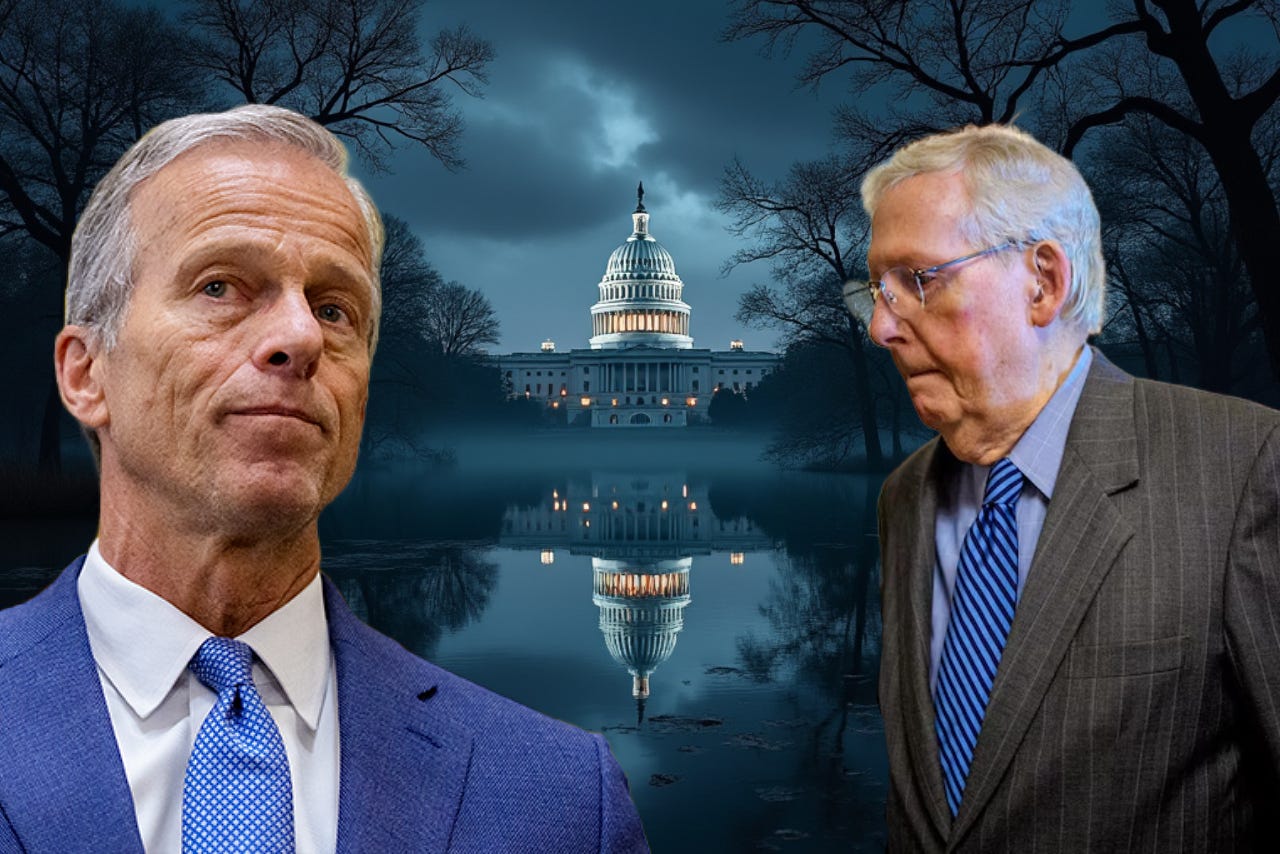
As of June 5, 2026, the U.S. Senate has approximately 53 working days left on its calendar before the midterm elections on November 3. This limited timeframe is interrupted by long recesses for summer, Labor Day, and a significant pre-election break starting on October 5. It presents the final opportunity for Senate Republicans, who currently hold the majority, to fulfill the promises that helped them gain control of both chambers of Congress along with President Trump.
Instead of urgency, we see the familiar spectacle of hesitation, excuses, and institutional timidity, led by Senate Majority Leader John Thune. The question remains: Will the GOP solidify key aspects of the Trump agenda into lasting law, or will they again betray the voters who fought to give them every institutional advantage?
President Trump has taken decisive actions through executive orders where Congress has been slow to act. From his first days back in office, he issued comprehensive directives to enhance border security, including the order titled “Securing Our Borders.” This order called for the construction of physical barriers, the reinstatement of the Migrant Protection Protocols (known as “Remain in Mexico”), the expansion of detention capabilities, and the prioritization of enforcement against illegal crossings. He also declared a national emergency at the southern border and imposed tariffs on imports from Mexico and Canada to combat fentanyl trafficking and encourage foreign governments to cooperate.
Additionally, further orders targeted criminal aliens, improved vetting processes by sharing criminal history, and suspended de minimis duty-free treatment to reduce illicit flows through postal channels. These actions resulted in tangible benefits, such as a decrease in illegal border crossings, disruption of drug networks, and the restoration of a level of sovereignty that Americans have demanded.
Yet, these policies remain fragile and can easily be reversed by the next administration. The Senate’s failure to codify them into law is not simply an oversight; it is a clear dereliction of duty. Thune and his Republican colleagues have had the votes, momentum, and mandate to take action, but what they lack is the courage to do so.
The warning about the filibuster is loud and clear. Democrats have consistently indicated that if they regain control of the Senate, they will eliminate the filibuster to push through significant changes, including statehood for Washington, D.C., and Puerto Rico to create new Democrat seats, packing the Supreme Court, and advancing a steadfast Democratic Socialist (read: Marxist) agenda on voting, immigration, and regulation. Republicans are well aware of this. Trump has warned Thune about it. Conservative voices have been raising concerns for months.
Nevertheless, Thune continues to use the “math” excuse, claiming there aren’t 51 votes to reform or eliminate the filibuster to advance essential priorities like the SAVE America Act, which includes proving citizenship for voting, implementing voter ID laws, and enhancing border security measures.
Why the inaction? Why hesitate to take initiative when the stakes are so high? Why refuse to act when Democrats insist they will once in power?

Senate Republicans, led by Thune, seem to prefer the comfort of procedural purity over the bold exercise of power that voters expect from them. They would rather complain about Democrat obstruction than work to overcome it. This is not prudence; it’s cowardice disguised as pseudo-statesmanship. While Trump built barriers—both literal and figurative—and used tariffs as leverage, Senate Republicans are busy scheduling routine sessions, taking extended breaks for state work, and letting time slip away on the people’s mandated agenda.
Many conservative and working-class Americans are tired of this ongoing and deceitful pattern. They knock on doors, donate their hard-earned money, overcome media opposition, persevere against Leftist vitriol, and secure majorities in elections, only to watch their representatives treat their victories as a license to do nothing. The sense of betrayal grows deeper with each election cycle.
Families struggling with the effects of inflation, communities affected by open borders, and parents worried about election integrity all see the same routine: bold campaign promises followed by excuses from Washington. Thune’s leadership exemplifies this failure—polite, ineffective, milquetoast, and more focused on Senate decorum than on delivering lasting results that transcend a single administration.
This is not just a case of isolated incompetence; it reflects a deeper cynicism about the so-called “uniparty”—the hidden consensus in Washington where both political parties perform outrage for the cameras while colluding to maintain the status quo. Democrats advocate for transformative change when they hold power, while Republicans lament the situation and uphold Senate traditions like the filibuster that protect the establishment. This allows them to generate continuous fundraising opportunities. They complain about the border crisis, use it to raise funds, and yet fail to implement permanent solutions. They criticize activist judges, but then leave executive achievements unprotected. This ongoing cycle persists because real solutions would disrupt their financial gains. Voters become mere players in a never-ending campaign, constantly promised a resolution that never comes.
With just 53 days remaining, time is running out. Thune and the Senate GOP still have the chance to take action—by codifying border security, ensuring election integrity, and implementing Trump’s key reforms while they still hold the gavel. Of course, that would necessitate unconventional thinking to achieve goals on behalf of the American people.
Alternatively, they risk confirming the worst fears: that their mandates are merely for campaigning rather than for effective governance.
The American people, especially those who supported the Republican resurgence, deserve more than another chapter in the long history of missed opportunities. History will determine whether this Senate majority represents a true turning point or exists simply as another disappointment in a city known for broken promises.


Her I am, holding my breath.....