

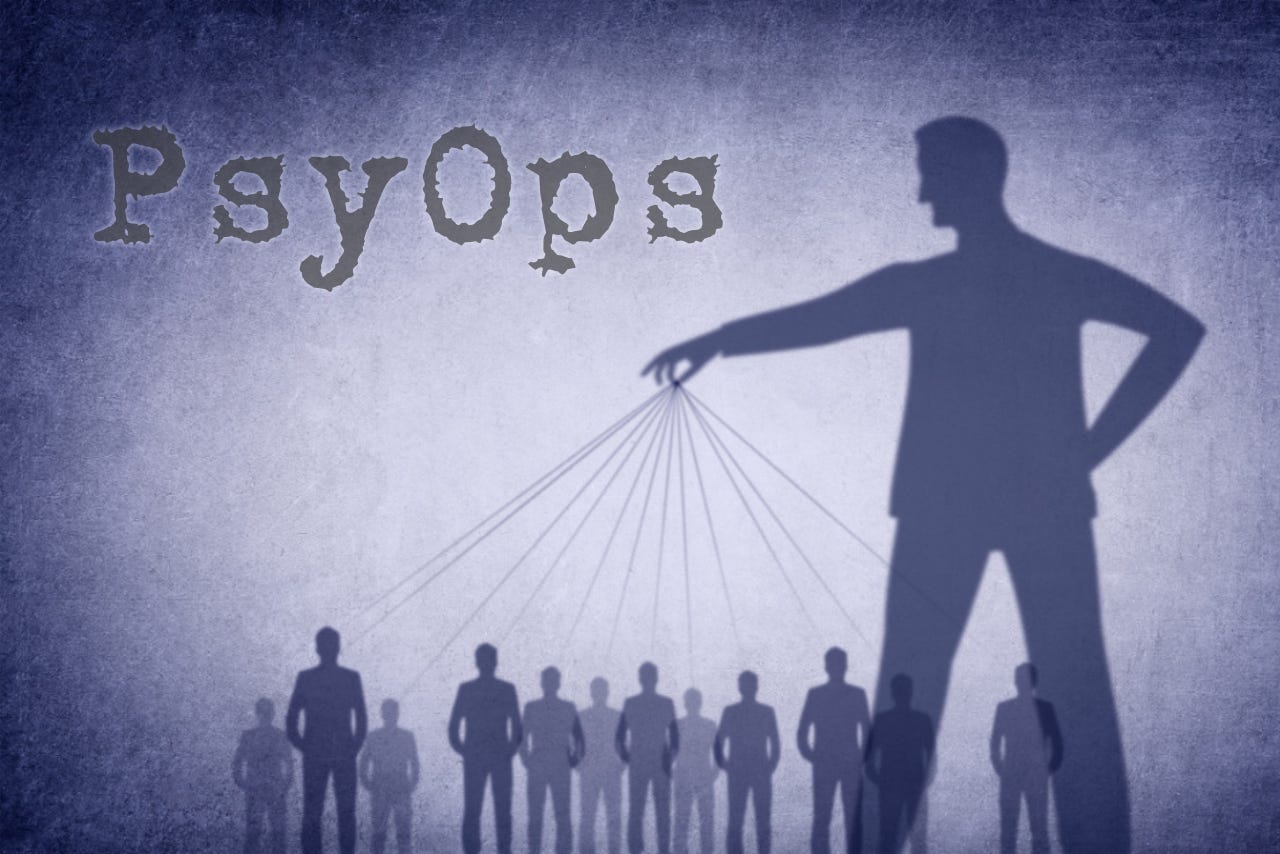
These days, politicians and their teams love to talk about freedom, choice, and letting people decide for themselves. But behind the scenes, a quieter, more deceptive kind of influence has taken over: using behavioral science to quietly shape what people think, how they act, and—most importantly—how they vote.
What started as gentle “nudges” to “help” folks make “smarter” choices has turned into something much darker: a calculated system for steering entire populations toward whatever outcome the people in power want. Those who employ this deserve real scorn. They’re not guiding us—they’re manipulating us, treating everyday people–taxpayers and voters–like pieces on a chessboard instead of free-thinking Americans.
The whole thing got a big boost from Richard Thaler and Cass Sunstein’s book Nudge back in 2008. The pitch sounded reasonable at first: tweak the way choices are presented—automatic sign-ups for retirement savings, clearer food labels—and people will make better decisions without anyone forcing them. But then the Obama White House took those ideas and ran with them.
In 2015, Obama signed an executive order that basically made behavioral science a permanent part of how the federal government operates. They set up teams to apply these tools of manipulation everywhere, from healthcare rules to tax forms. What looked like helpful policy tweaks started to feel more like top-down control—turning citizens into test subjects whose decisions could be quietly adjusted to achieve the “correct” result.
The really troubling part comes when these same techniques get used in elections. Progressive campaigns in particular have leaned hard into this stuff.
Take the Analyst Institute, started in 2006 with intense union backing. It’s basically a research outfit that runs experiments to figure out how to move voters.
During Obama’s 2012 reelection, they were right in the middle of things. They worked inside the campaign, running tests on millions of people to find the exact messages, emotional triggers, and social-pressure tactics that would push swing voters or low-turnout supporters toward Obama. They called it data-driven campaigning, but a lot of it was straight-up psychological manipulation (psyops)—using people’s hidden biases to manufacture support thatwas most likely not there otherwise.
That wasn’t a one-off.
By the time COVID hit, the playbook had grown even bigger. Government agencies teamed up with tech companies to push vaccine uptake using every behavioral trick in the book: telling people “most folks your age are already vaccinated” to create peer pressure, framing shots as a way to protect the community and make you look responsible, sending constant automated reminders that bypass real thinking. Social media platforms quietly boosted approved messages and buried anything that didn’t fit the narrative.
The goal wasn’t open discussion—it was to engineer agreement so smoothly that people didn’t even realize their opinions were being shaped.

Those behind all this—whether they’re working in government nudge units, campaign strategy rooms, or fancy think tanks—need to be called out and held to account. They act like–and most likely believe–they know better than the rest of us; they truly believethe people, the voters and taxpayers, are too stupid and too emotional to make up their own minds, and they prey on that.
By slipping these psychological tools into our daily lives without telling us, they chip away at the core of what our Constitutional Republic is supposed to be: real, open, and honest debate amongst the people and then through our representatives.
When campaigns use behavioral science to nudge voters toward one candidate, one political party (or away from another), or policy, they turn elections into mrntal manipulation instead of a genuine contest of ideas. The 2012 Obama effort showed just how powerful—and how ethically shaky—this approach can be.
Plenty of people wave away the concerns with full-throated apathy, saying it’s all conspiracy theory or well-meaning. But good for who? The same people who already hold the power? The elites? This kind of top-down attitude—assuming everyone else is irrational and needs to be steered because they couldn’t possibly have a valid thought of their own—is more akin to soft authoritarianism than honest governance with fidelity to the US Constitution.
We do not have to accept this. We do not have to be psychological lab rats running a polling place maze for the terminally elite; the Deep State anointed. Campaigns and government programs need to be exposed and held to account when it’s discovered they have used this dishonest and manipulative practice. We deserve real arguments and honest debate, not hidden psychological design.
Above all, the people who keep reaching for these tools to win votes or push policies and agendas–and especially those who use them to steal power for themselves–need to face real and harsh consequences. They’re not wise public servants—they’re architects of opportunistic control
If we allow this to continue, we will end up in a system where our “choices” were never really ours to begin with. The fact is, we are very close to being there now.


