

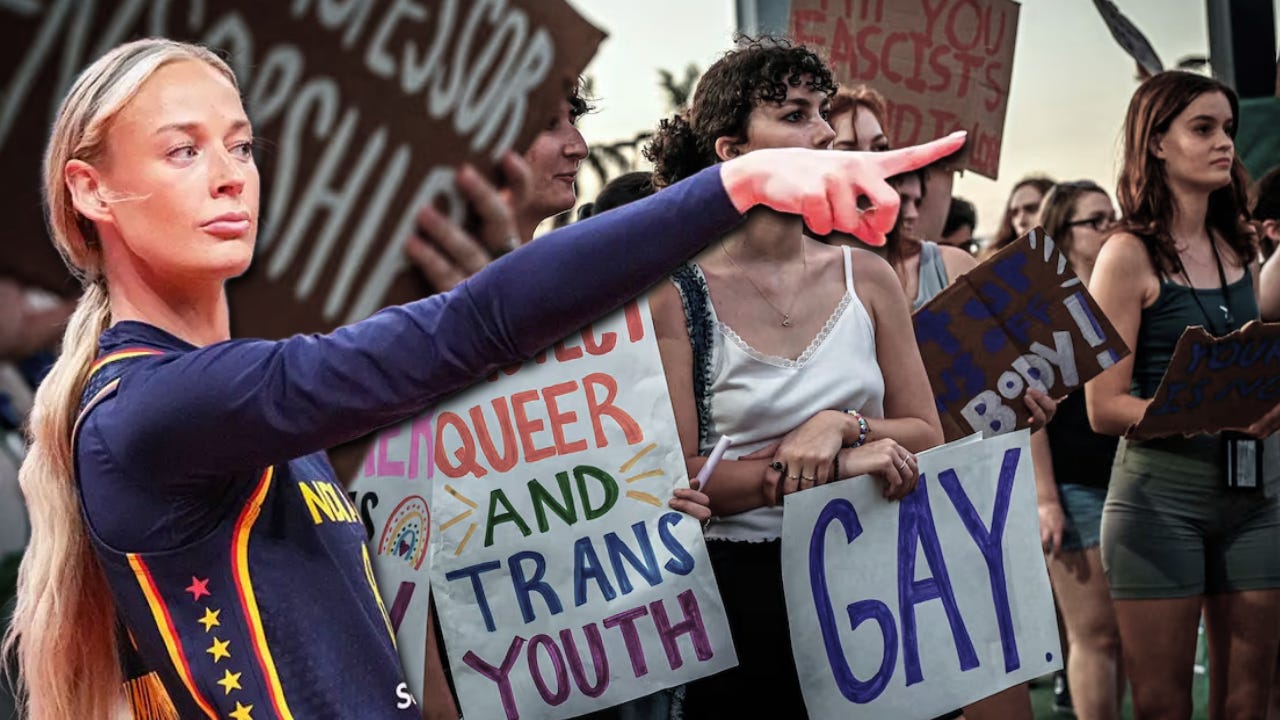
A phobia is more than just a strong fear; it’s a clinical term that describes an irrational, persistent fear of a specific object, situation, or idea that can trigger serious anxiety and disrupt everyday life. Take arachnophobia, for instance—it’s not just a dislike for spiders; it’s an intense panic that might stop someone from even walking into a room. Real phobias are diagnosed by mental health experts, not political activists. When people use the term casually or as a rhetorical tool, it loses its clinical meaning and becomes more about pushing certain beliefs than accurately discussing a mental health issue.
What’s happening with terms like “xenophobia” and “Islamophobia” is pretty important to note. Opposition to mass migration from cultures that don’t share Western values like free speech, secular law, women’s equality, and individual rights isn’t an irrational fear of foreigners. It’s more of a logical look at whether different civilizations can coexist.
Similarly, being against the Islamization of Western societies doesn’t mean there’s something wrong with you; it’s more about recognizing that in many places, Islamic practices clash with the liberal values we hold dear in modern Western society. It’s perfectly normal to prefer your own culture, legal traditions, and social norms. Calling it a “phobia” tries to make dissent seem unhealthy, which lets people brush aside those viewpoints without really addressing them.
The same approach is taken when it comes to sex and gender issues. Criticizing the ongoing push to demasculinize Western culture by activist groups isn’t “homophobia” or “transphobia.” It’s totally possible to prefer biological realities around sex, support the unique roles of men and women, and value traditional family structures without hating anyone. It just means saying no to the idea that we need to change language, erase sex-based rights, or mess with kids’ health in the name of diversity and acceptance.
Take WNBA star Sophie Cunningham, for example. She’s faced backlash for saying what many consider obvious: biological males shouldn’t compete in women’s sports. Her viewpoint isn’t driven by an “irrational fear” of gay or transgender people; it’s really about fairness, safety, and keeping female sports intact. When people shout “phobia,” they aren’t diagnosing anything; they’re just pushing a political agenda that doesn’t leave room for disagreement.
The main tactic used by the extreme far-Left seems to revolve around the “phobia” suffix. What used to describe a mental state has now turned into a way to sort people into two groups: the “enlightened” and the diseased. Once someone is labeled, they stop being seen as someone you can debate with and instead become a problem to be dealt with, deplatformed, or pushed to the sidelines.
This approach works well because it cuts off real conversation, putting the onus on the person being accused to prove they aren’t harboring some invisible issue. Plus, it creates a sense of unity among those doing the labeling; the more people they can classify as phobic, the higher their own moral status seems to rise. This division isn’t just an accident; it’s actually part of the plan.
The funny thing is, the people who shout the loudest about these labels are often just scared. They’re worried about being left out in social circles that have already accepted the things they claim the rest of us irrationally fear. They don’t want to lose the moral high ground they get from being seen as defenders of marginalized groups through their abstract virtue signaling. Plus, they’re anxious that if conversations shift back to real evidence—like crime stats concerning certain migrant groups, the content of Islamist teachings, medical info on puberty blockers, or the noticeable drop in male achievement because of current cultural pressures—their whole narrative might crumble.
So, instead, these insecure and fearful people throw around medicalized insults. It’s way easier to call someone Islamophobic than to actually explain why things like parallel legal systems, grooming gangs, or the targeted harassment of Jews should be seen as cultural enrichment. Likewise, it’s simpler to label someone as a transphobe than to justify getting rid of sex-based spaces or the medical transition of healthy young people.
These labels are losing their punch because people have heard them thrown around so much that they’re almost a joke. When every little disagreement gets called a phobia, the term starts to feel empty, akin to how “racist” has lost its weight after being overused for years. Now, these terms seem less like real descriptions of what’s happening and more like loyalty tests for those who can’t back up their views without using them. The stigma they used to carry is fading fast. What we’re left with is a show of activists who claim to be brave but actually rely on fear-based arguments, pathologizing normal human preferences for stability, belonging, and biological reality.
The correct response is not to seek permission to hold ordinary views. Instead, we should completely reject that framework.
Opposing cultural replacement is not the same as xenophobia. Defending sex-based rights is not transphobia. Preferring the civilization that has fostered prosperity, scientific advancement, and individual liberty over a culture that oppresses women and punishes LGBTQ+ individuals is not a mental illness.
Those who continue to assert otherwise are not diagnosing us; they are merely revealing their own fear and anxiety—the fear that we have stopped being coerced into believing we are unwell, and the anxiety of what it means for them.
A Note About Subscribing:
At Underground USA, we pride ourselves on being fiercely independent—we only answer to our readers. This independence allows us to tackle tough questions, dive deep into important topics that often get overlooked, and share essays and podcasts, like this one, without asking for anyone’s approval.
Free subscriptions help us connect with a wider audience. They are the vehicle for the wide dissemination of the message. Paid subscriptions are what keep us going. They fund our research, document requests, interviews, fact-checking, and give us the time to dig deeper than just the headlines. Most importantly, they support something that’s getting harder to find: independent analysis that’s not swayed by advertisers, corporate sponsors, or political agendas.


