

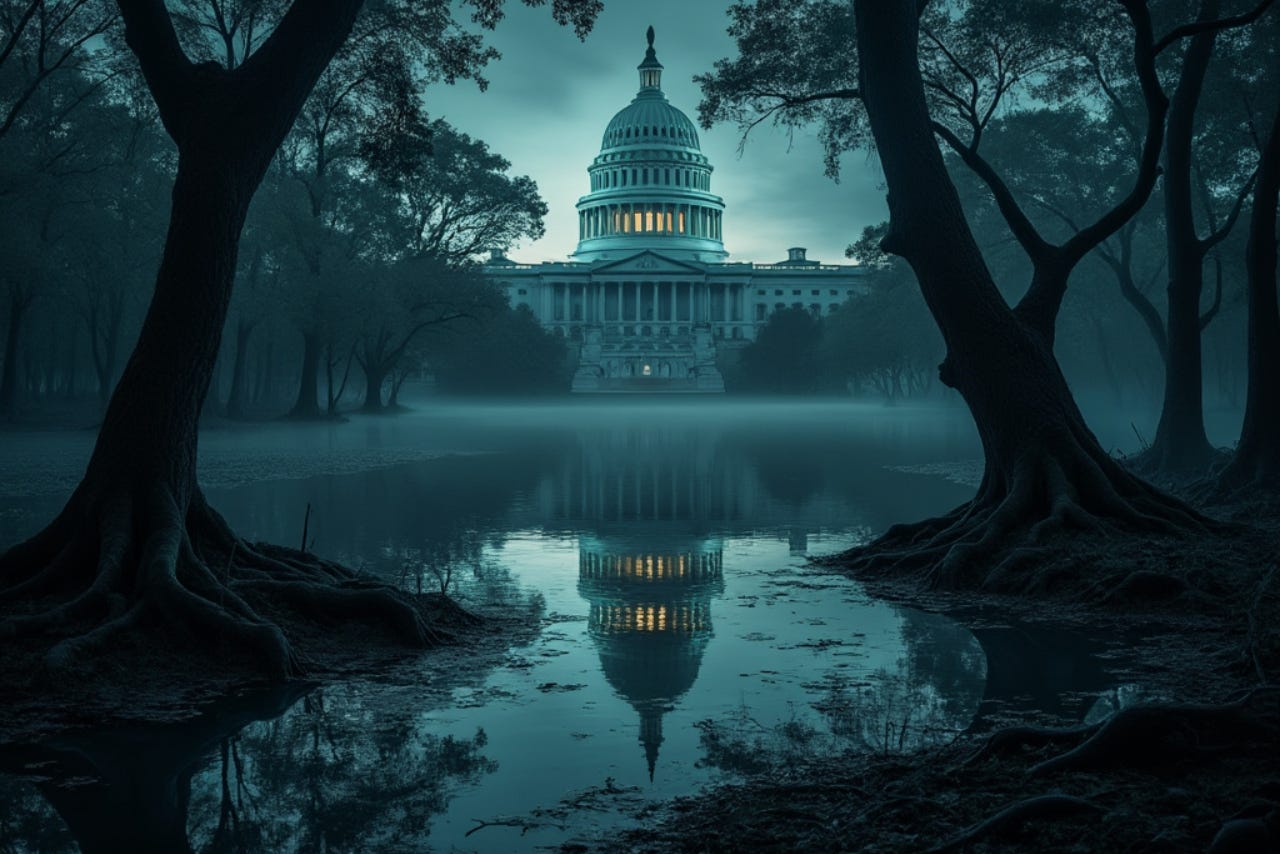
Congressional decision-making has devolved into a grotesque spectacle where lobbyists and big-money donors pull the strings, while the American people’s will is trampled underfoot. Both congressional Democrats and Republicans bear the blame for this rotten system, as they’ve openly admitted the corruption yet do nothing meaningful to fix it. The status quo suits them just fine—reelection funds flow, special interests thrive, and voters are left with crumbs.
Federal lobbying expenditures have ballooned to obscene levels. In recent years, totals have shattered records, reaching over $5 billion in 2025 alone, with corporations and industries like health care, finance, and big business leading the charge. Corporations pour billions annually into influencing policy, ensuring their agendas eclipse the public good. This isn’t representation; it’s auctioneering.
Why do so many pressing issues—border security, inflation-fighting measures, entitlement reforms that Americans demand—never get serious hearings? Simple: no deep-pocketed corporation is lobbying for them. Worse, powerful interests are likely funneling donations to block even basic scrutiny. Meanwhile, laws that benefit narrow elites sail through with lightning speed. Lobbyists draft the bills themselves, hand them to compliant members, and watch as sponsors push them across the finish line. Bills that could help millions—real election integrity measures, cost-of-living relief, or curbs on foreign influence—languish or die in committee because no high-roller is greasing the wheels.
Take the SAVE Act (and its rebranded iterations like the SAVE America Act) as a glaring example. This legislation, aimed at requiring proof of citizenship for voter registration in federal elections to safeguard voting integrity, enjoys broad public support among voters weary of unsecured elections. Yet despite passing the House multiple times—including in 2025 and again with variants in early 2026—it repeatedly stalls in the Senate. Why? The filibuster, that favorite tool of obstruction, combined with Democrats’ unified opposition, labeling it voter suppression, ensures it goes nowhere. Republicans talk tough on election security, but many prefer the status quo over risking a floor fight that might expose their own donor-driven hesitations or force compromise.
This isn’t just about one bill. It’s systemic. Study after study shows Congress aligns with majority public opinion only about 55% of the time on major issues. Even when laws do pass, around 80% reflect majority views—meaning the process filters out blatantly unpopular ideas—but far too many popular reforms never even reach a vote. The Senate filibuster routinely kills measures with majority backing, allowing a minority to protect special interests.

Democrats love to posture as champions of the little guy, railing against “dark money” and “corporate influence.” Yet they happily accept millions from the same health insurers, trial lawyers, and tech giants they pretend to fight. When a bill threatens their donor class—like meaningful tort reform or drug price controls without Big Pharma carve-outs—they quietly let it die. Republicans are no better. They crow about deregulation and free markets but rush to bail out corporations, pass tax breaks for the ultra-wealthy, and shield defense contractors from scrutiny. Both parties have mastered the art of performative outrage while preserving the gravy train.
The result is catastrophic erosion of trust. Public approval of Congress hovers in the teens to low twenties in recent polls, with generic ballot surveys showing voter frustration boiling over. Americans see a body that prioritizes foreign interests, Wall Street, and K Street over Main Street. Foreign corporations and governments pour money into lobbying, often outspending domestic voices. The disconnect is stark: voters mandate change at the ballot box—whether demanding secure borders, fiscal sanity, or fair elections—only to watch Congress ignore or sabotage it.
Powerful interests always find ways to end-run reforms. Campaign finance “reforms” get watered down. Ethics rules are toothless. Even modest proposals for transparency in lobbying face fierce resistance. The foxes guard the henhouse—why would members who profit from the corruption suddenly vote to dismantle it?
Both parties share culpability. Democrats block reforms that threaten union donors or progressive sacred cows. Republicans cling to the status quo when it protects corporate patrons or avoids tough votes. Neither has the spine for real change because the system rewards inertia and fundraising over governing.
Until voters demand accountability with unrelenting pressure—primarying incumbents who prioritize donors over constituents—this cycle will continue. Congress won’t reform itself; it’s too comfortable in the swamp. The American people deserve better than a legislature bought and paid for, where popular will is an afterthought and special interests write the rules. The evidence is overwhelming: the current Congress, regardless of who holds the gavel, serves everyone except the voters who sent them there.


