

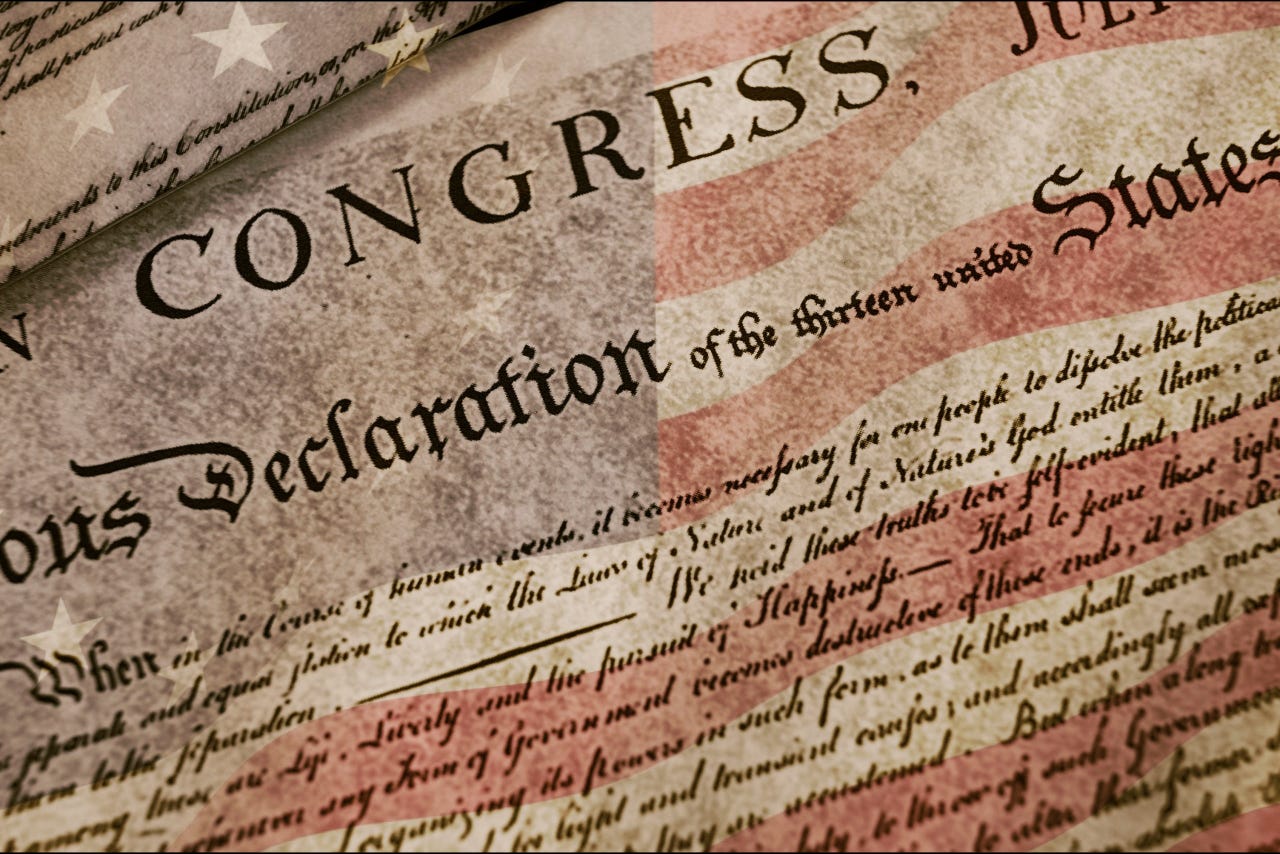
Two hundred and fifty years ago, a courageous gathering of patriots met in Philadelphia to declare that the thirteen colonies would no longer submit to distant tyranny. They voted for independence on July 2, 1776, and two days later, on July 4, the Continental Congress published the text of the Declaration of Independence after copies had been printed for public distribution, sparking a revolution and giving birth to the greatest experiment in human liberty the world has ever known.
Today, as the United States marks its 250th anniversary, we celebrate not merely a milestone but the enduring spirit of a people determined to govern themselves. This Semiquincentennial invites us to reflect with gratitude on the extraordinary sacrifices that secured our freedom, the principles that have guided us through trials, and the solemn duty we share to carry this Republic forward, united as one nation under God.
The path to independence was marked by profound hardship. The Founders and their families faced the might of the greatest empire on earth—an adversary with vast armies, a powerful navy, and resources that far exceeded those of the fledgling colonies. They risked everything—lives, fortunes, and their sacred honor—for a cause that seemed audacious at best. Many endured personal devastation: homes were burned, businesses were ruined, and families were torn apart:
Signers like Thomas McKean and George Clymer saw their livelihoods shattered by the war.
Merchants lost ships and cargo due to British blockades, while farmers watched their crops destroyed and livestock seized.
Families either fled into exile or faced imprisonment.
John Hancock, whose bold signature appears at the top of the Declaration of Independence, had his property targeted.
The wives and children of these men often bore the brunt of the conflict, enduring scarcity, disease, and the constant threat of British reprisal.
Yet they persisted, fueled by a fierce belief in self-governance and the natural rights bestowed upon them by their Creator. Their courage in the face of overwhelming odds serves as a reminder that freedom is never free; it demands resolve, sacrifice, and an unwavering commitment to higher principles.
The Declaration of Independence clearly lists the colonists’ grievances with moral precision. King George III was accused of imposing taxes without consent, dissolving representative assemblies, quartering standing armies among the people, cutting off trade with the world, and obstructing justice. He had effectively given up governance by declaring the colonies out of his protection, waged war against them, and brought in foreign mercenaries to carry out acts of “death, desolation, and tyranny.” These were not mere complaints but a serious catalog of abuses that justified the colonies’ separation. The document serves as a timeless condemnation of unchecked power.

Remarkably, some grievances from the past still resonate in our times, highlighting the need for constant vigilance to protect our freedom:
Distant bureaucracies(like the UN, the WHO, and the World Economic Forum) attempt to impose regulations and mandates that challenge the principle of consent
Federal overreach into state and local matters has exploded in recent years
Burdensome taxes are levied that often feel disconnected from representation
And an administrative state that sometimes avoids accountability operates with autonomy defying constitutional limitations
These current grievances reflect the frustrations of previous generations. However, these challenges don’t diminish our accomplishments; instead, they reinforce the Founders’ wisdom in creating safeguards against tyranny. We have faced far greater threats—such as civil war, world wars, economic depressions, and ideological assaults—precisely because our system empowers citizens to effect change through elections, courts, and civic engagement.
Today, we celebrate not only the founding of our nation but also every chapter that has shaped contemporary America. From the blood-soaked fields of Yorktown to the moon landing, from the abolition of slavery to the defeat of fascism and communism, we have triumphed through perseverance and ingenuity. Waves of legal immigrants have enriched our culture while embracing our ideals. Technological marvels, an entrepreneurial spirit, and the rule of law have lifted millions. We honor those who sacrificed their lives defending our shores and the innovators who expanded opportunities. This anniversary is a moment of well-earned pride, recognizing that despite our imperfections and setbacks, the American story is one of progress, not progressivism—of a people who repeatedly choose hope over despair and unity over division.
As we look to the future, the Founders’ realistic understanding of human nature provides us with timeless guidance. They recognized that it was impossible to create a perfect government for imperfect individuals. Instead, they established a Constitutional Republic characterized by the separation of powers, checks and balances, and a Bill of Rights designed to channel ambition and safeguard liberty. The Founders understood that each generation must actively engage in the ongoing work of self-government. The call made in the Constitution’s Preamble, to “form a more perfect Union,” is our lasting responsibility—not through radical changes, but through consistent improvement grounded in the principles established by the Founders.
Only by recommitting to our national motto, E Pluribus Unum—”out of many, one”—can we continue to thrive. The far-left’s focus on division, grievance, and identity politics sharply contrasts with this ideal. It undermines the very unity that has driven America forward. True progress requires us to set aside tribalism and come together as one people, one nation, united by shared values of liberty, equality under the law, and opportunity for all. When we prioritize the common good over individual factions, we unlock the full potential of our Republic. Conservatives, in particular, have long supported this vision of limited government, individual responsibility, and cultural cohesion that embraces newcomers who assimilate into the American way of life.
The challenges we face—securing our borders, restoring fiscal responsibility, defending free speech, and countering threats abroad—demand the same spirit that inspired the founding of our nation in 1776. We must reject cynicism and embrace the optimism that helped build America. Every citizen has a responsibility to study our history, engage in public life, and hold our leaders accountable. In our schools, homes, and communities, we should teach the next generation that America, despite its flaws, remains a shining city on a hill.
Two hundred and fifty years on, our Republic stands as a beacon to the world. May this anniversary renew our commitment to the principles that have made us great. With gratitude for our past and determination for the future, we continue to strive for that more perfect union.
“And for the support of this Declaration, with a firm reliance on the protection of divine Providence, we mutually pledge to each other our Lives, our Fortunes and our sacred Honor.”


Great article Frank! Happy fourth of July! Yes, we defeated fascism and communism long ago and yet it is beginning to show its ugly head in OUR OWN COUNTRY. This is a sad time for democrats to lose track of what makes this country special.