

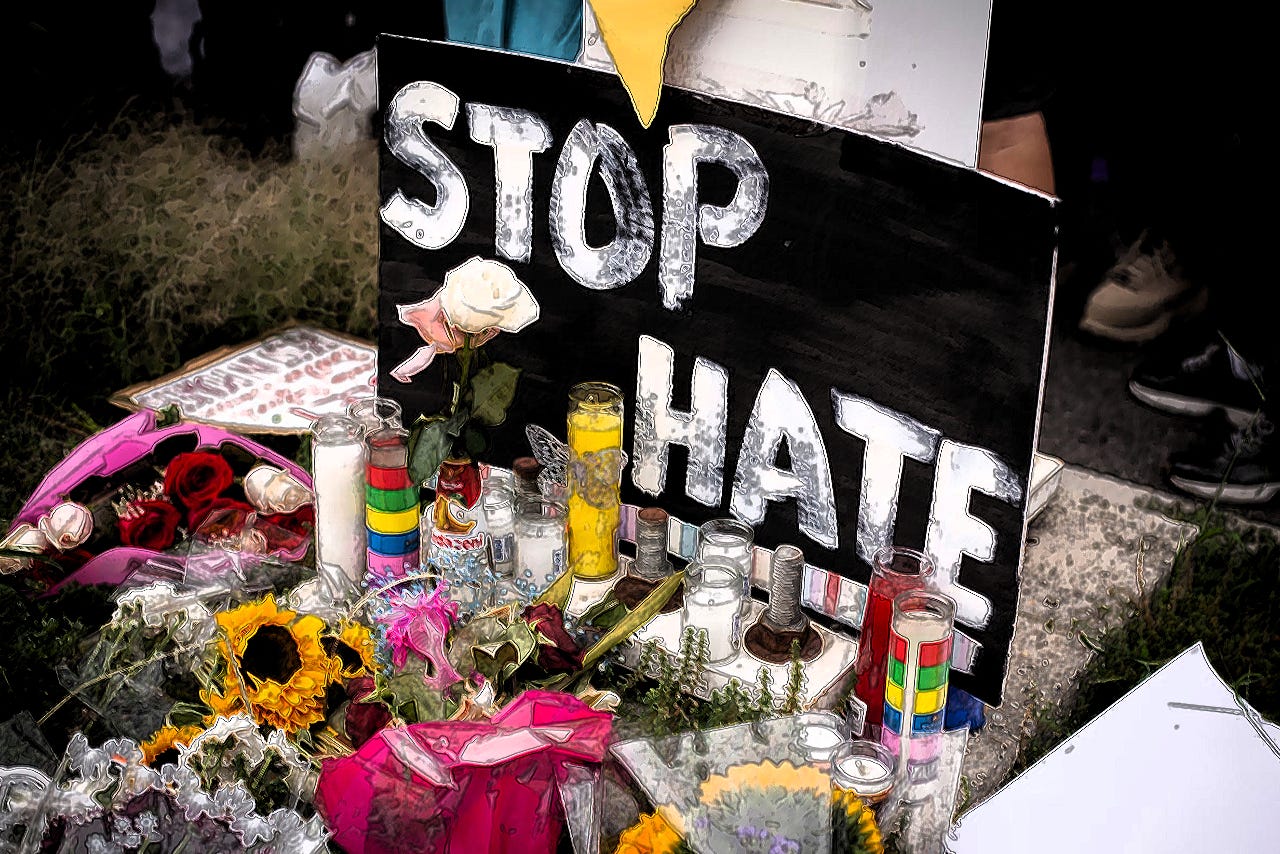
The message of peace and goodwill contrasts sharply with the intense vitriol in public discourse, which often turns ordinary disagreements into deep enmity. This issue requires compassion for those influenced by it, combined with a firm commitment to reject it. Hate acts like a destructive force, eroding individuals, families, and the nation as a whole. As we start the new year, this is an ideal moment to address the widespread hatred affecting American society.
Recent events highlight the severity of the problem.
Antisemitism continues at elevated levels in 2025, following significant increases in previous years. Reports from civic and law enforcement organizations across the country document persistent harassment, vandalism, and threats against Jewish communities, undermining safety and generating fear in daily life. Such prejudice serves as a warning that longstanding biases can intensify if not confronted, as the world witnessed in 1939.
The tragic deaths of prominent figures also reveal how personal losses can fuel further division. The deaths of filmmaker Rob Reiner and his wife shocked many. Their son, Nick Reiner, was arrested and charged with the murders. Though a profound family tragedy, it prompted vitriolic and divided responses online, with some of those responses as black and cold-hearted as they come. A human being was dead, and the only thing that mattered was his politics.
So, too, the assassination of conservative activist Charlie Kirk in September 2025 during a Turning Point USA campus event provoked strong grief and anger among supporters, while drawing some wholly inappropriate and intensely hateful comments from those who opposed his views, reactions that remain unjustifiable. Again, a human being was dead, and the only thing that mattered was his politics.
Then there is the persistent and never-ending dehumanization and castigation of President Trump by his detractors and political opposition. After the two assassination attempts, the hate that oozed out of his disparagers was nothing short of disgusting, wishing that the bullets hadn’t missed, as now deceased Rob Reiner espoused on social media; one of the more milder comments.
While robust disagreement is essential to democracy and the survival of our Republic, expressions that escalate to wishes for murder or dehumanization only deepen unnecessary divides in a fashion that can only be described as ignorant.
These examples stem from several underlying factors.
SPECIAL NEW YEAR SUBSCRIPTION OFFER
SUBSCRIBE NOW and receive a 25% discount on monthly & annual subscriptions:
• $3.75 per month instead of $5 per month (1/4 the cost of a cup at Starbucks)
• $33.75 annually instead of $45 annually (the price of a meal at McDonald’s)
One contributor is the impact of falsely inflated, unearned self-esteem across generations. The “everyone wins, no one loses” approach has diminished humility and cheated children of the value of learning from setbacks. These children take that sense of entitlement into adulthood, which manifests as both hate for those who have more and a lack of self-determination to achieve. That GenZ is enamored with socialism is undeniable proof.
Mainstream media shares responsibility as well, in both news and entertainment. News outlets prioritize sensational content: If it bleeds, it leads”—violence, political conflict, crime, brutality, you name it, and they do it for revenue, fostering adversarial attitudes. The entertainment industry, from Broadway to Hollywood, overtly promotes radical ideologies, subtly and directly, framing society as us-versus-them, regardless of the resulting division, and with palpable contempt for those who think differently than they do.
The worst facilitators of hate? Politicians and ideologues. They bear the lion’s share of the blame, along with their goons in the news media, for deliberately tribalizing society to gain power. They exploit differences that used to make our culture strong because of its broad experiences, to manufacture unnatural voting blocs, prioritizing electoral wins over national unity, and all while stoking hate towards “the other guy.”
But there is a sad reality in all of this. The primary cause lies in our own willingness to embrace hatred and division, accepting it as justifiable and normal behavior. Disagreement is acceptable, and even passionate disagreement serves its purpose at times—that drives democratic and societal progress. But allowing it to evolve into hatred that encourages violence or murder or, worse yet, genocide, that’s just succumbing to weakness that metastasizes into a harmful force we should actively resist.
In this new year, let’s focus on self-examination rather than superficial judgment of others. Consider, personally, whether you have crossed the line from constructive debate—rooted in reason and facts—to outright hatred based solely on differing opinions.
The call to understand your “enemies”—even if you don’t agree after trying. and questing to find common ground on which to agree—again, not in everything, but in something, represents strength, not weakness. Hatred fragments; compassion unites. The United States has overcome greater challenges through collective resolve, moral integrity, and national brotherhood. It can do so again by rejecting hatred, but that starts within ourselves.
Make 2026 a point of change. Make an effort to understand those with opposing views, even if, in the end, you still do not agree. Prioritize listening–and hearing–over reaction. Find those bits of common ground that open the door to realizing e pluribus unum. Reject the dividers. Choose humility. The nation’s well-being relies on these steps. True peace for our Republic and the free world–and for all of us individually–begins internally.


